
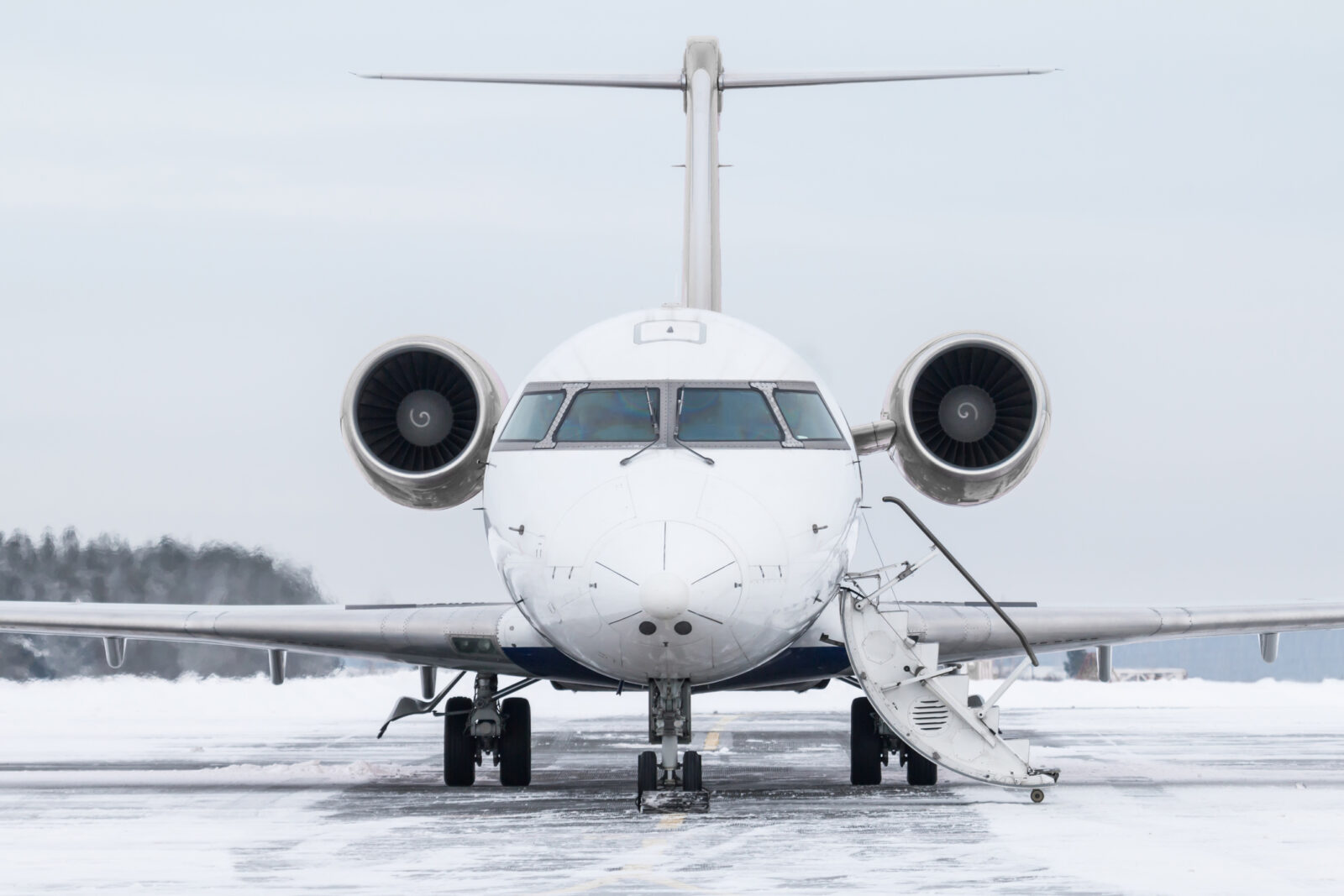
Winter flying poses challenges that vary by aircraft, with some conditions including frost, freezing rain, and snow. Although freezing rain and frost may appear harmless when viewed from the private jet terminal, a thin layer of contamination can significantly impact an aircraft’s performance. For this reason, deicing and anti-icing are necessary for safety.
For those private jet charter travel, these procedures may be reflected as an itemized charge on the post-flight invoice or as a brief wait before departure. Understanding the specifics of de-icing and anti-icing procedures can provide insight into these matters.
Why De-Icing is Vital in Private Aviation
The wings and control surfaces on an airplane are designed to deflect air in specific ways. But ice, frost, or snow interferes with airflow and reduces lift. Often, it reduces it significantly. Even a small accumulation that appears harmless can easily affect airplane performance during takeoff and climb.
In the private aviation industry, planes tend to operate out of airports that are more diverse than those used by commercial flights. This includes regional and business aviation airports that have varying weather patterns. Private flights can depart at the beginning or end of the day, or even during changing weather patterns, which increases the risk of winter contamination.
De-ice/anti-ice involves making sure the aircraft has clean surfaces before departure and that the airplane is protected while taxiing before takeoff clearance.
De-Icing vs. Anti-Icing: The Main Difference
These two functions are often spoken about together, though they are actually two different things.
De-icing is the removal of existing contamination. If the aircraft is currently covered in frost, snow, or ice, de-icing is used.
Anti-icing is a preventive measure. The anti-icing compound forms a barrier that inhibits ice formation or flying ice from attaching to the aircraft surface after de-icing.
In most winter flights, both procedures are needed. De-icing removes contamination, while anti-icing protects the aircraft until takeoff.
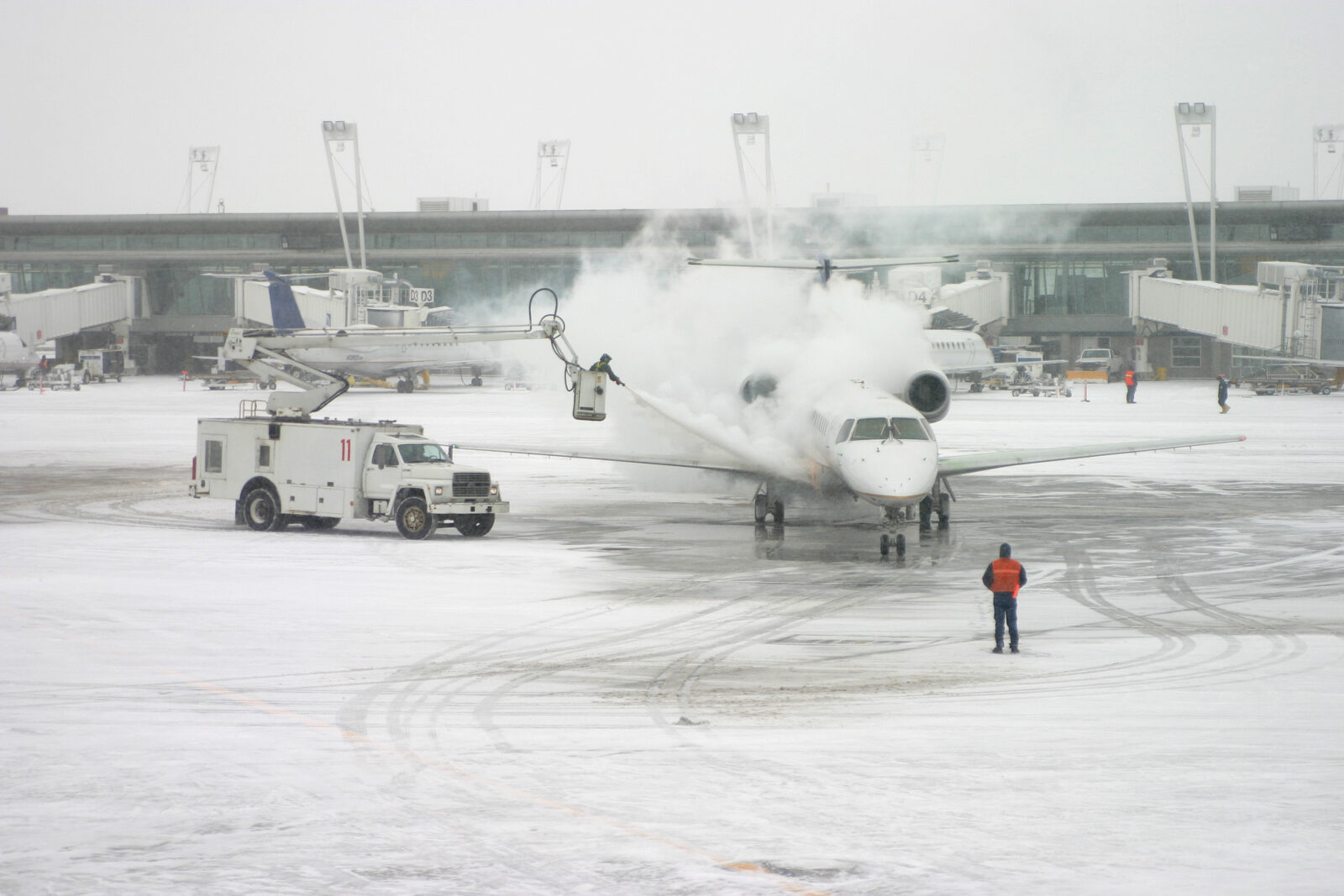
De-Icing or Anti-Icing Fluids and Their Effects
There are four significant types of aircraft de-icing and anti-icing fluids, each with distinct characteristics.
Type I Fluids
Type I fluids have the lowest weight and viscosity. Due to their thin nature, fluids of type I can be used on most aircraft, including light and very light jets, because of their low takeoff speed requirements.
These fluids provide the shortest protection period, called the holdover time. The holdover time is the period during which the aircraft is anticipated to remain protected in active winter precipitation before the possible reappearance of contamination.
Type I fluids are mainly utilized as deicing agents. These agents are preheated before application, and the integration of heat and spray pressure helps remove ice or frost. Soon after the fluid cools and drips off, protection is quickly lost. Losing protection through type I tends to occur suddenly.
Type II and Type IV Fluids
Type II and Type IV fluids have additives that increase thickness. Their viscosity allows the fluids to remain on aircraft surfaces longer, thereby absorbing and neutralizing the freezing precipitation.
It provides an extended holdover time, which, in some instances, such as snow or freezing rain, is imperative. However, the drawback is the need to use a faster takeoff speed to depart the aircraft’s surfaces effectively.
In North America, Type IV fluids are typically used for anti-icing and may be applied when cold and undiluted. In other areas of the world, Type II or Type IV fluids may be heated and used for both de-icing and anti-icing operations.
Type III Fluids
Type III fluids were created to fill the gap between Type I fluids and thicker fluids, such as Type II and Type IV fluids. The fluids have viscosity additives that could shed off at lower rates.
They are used in smaller and commuter aircraft, though they can also be used in specific business aircraft. Type III aircraft fluids offer improved protection compared to Type I but can be used in aircraft that do not fly at high takeoff velocities.
How These Fluids Are Applied
Weather, airplane type, and airport procedures are factors to consider for fluid application.
In Type I fluids, heating and dilution precede application. During de-icing, the heat and spray remove ice from the surface. In anti-icing applications, Type I fluids provide temporary protection due to their heat-absorbing properties.
Type II and IV fluids can be applied heated or unheated, diluted or full strength. Generally, in U.S.-based operations, Type IV cold and full-strength fluids are used for anti-icing after de-icing.
The type of fluid and procedure shall be determined by the trained ground crew, taking into account the manufacturer’s recommendations, the intensity of the weather, and the anticipated taxi and hold times.
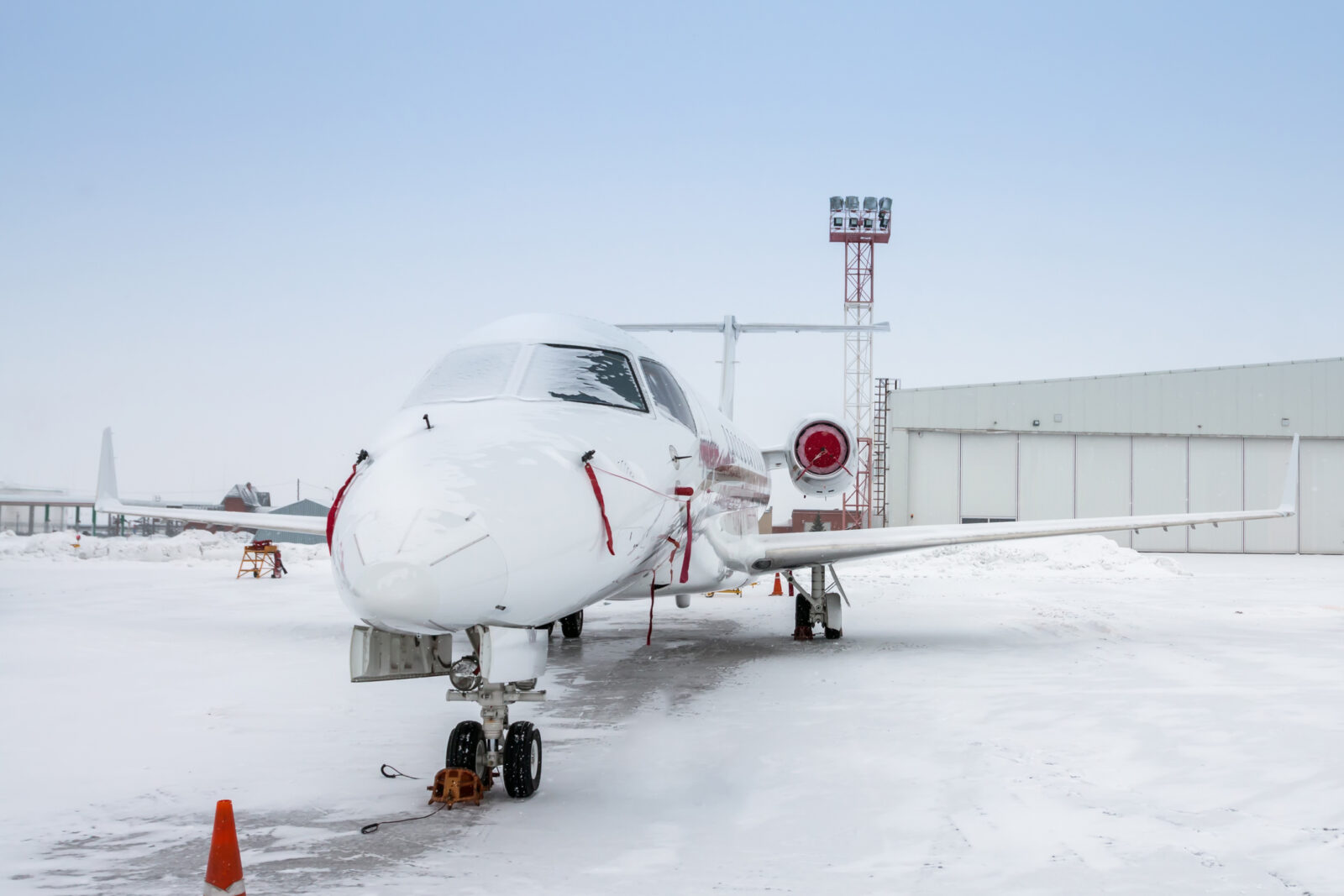
Holdover Times and Why Timing Matters
Holdover time is not a guarantee. It is predicted based on the fluid type, fluid concentration, precipitation type, and precipitation intensity. A heavy snowfall or freezing precipitation event can cut short the holdover time.
This is why coordination between flight crew, ground staff, and air traffic control is vital. Even if the surfaces look clean, if there is a delay in take-off outside the expected protection time, the aircraft must return for further treatment.
Private aircraft crews are keen to monitor these conditions, which must still be valid upon departure.
What De-Icing Charges Appear on a Charter Invoice
De-icing prices are not arbitrary. There are actual costs involved: special trucks, trained personnel, heated fluids, and time. Prices vary in relation to:
- Size of aircraft and its surface area
- Type and amount of fluid used
- Weather severity
- Airport pricing policies
- Whether multiple applications are needed
A light jet may require less fluid than an aircraft with a large cabin, but even small aircraft carry a cost during severe winter weather conditions.
The Broker’s Role in Planning Winter Operations
In the case of private jets, a broker can be seen as an “interpreter” between the operational needs and the customer’s expectations.
Before the flight, the broker might analyze the likelihood of de-icing based on the season, route, and the timing of the scheduled departure. They might know which airports have good winter infrastructure.
Throughout the flight, brokers stay in touch with the operators to determine whether de-icing is needed and the type of treatment being performed. The brokers can also clarify any queries about the charges incurred during the flight and the reasons for those costs.
Most importantly, the broker can help the client understand that the application of de-icing fluids is not discretionary but mandatory.
Safety Is Not Negotiable
The de-icing of an aircraft may seem to the general public like a precaution. For the aviation world, it is an indispensable safety factor.
In private aviation, while there is flexibility and control in the travel experience, this does not override the laws of physics. Ice affects private aircraft and commercial airlines equally. De-icing and anti-icing procedures – an essential part of winter flying – do not represent inconveniences for private flights. Instead, they are a critical component of winter operations and help ensure the highest safety standards.
Knowing how fluids work and why prices differ is vital for helping passengers travel with confidence. An experienced broker will ensure all procedures are factored in and completed correctly; in a winter scenario, clarity is just as important as the aircraft itself. Flying by private jet is effective and flexible, especially in winter weather, provided that these safety procedures are followed.