
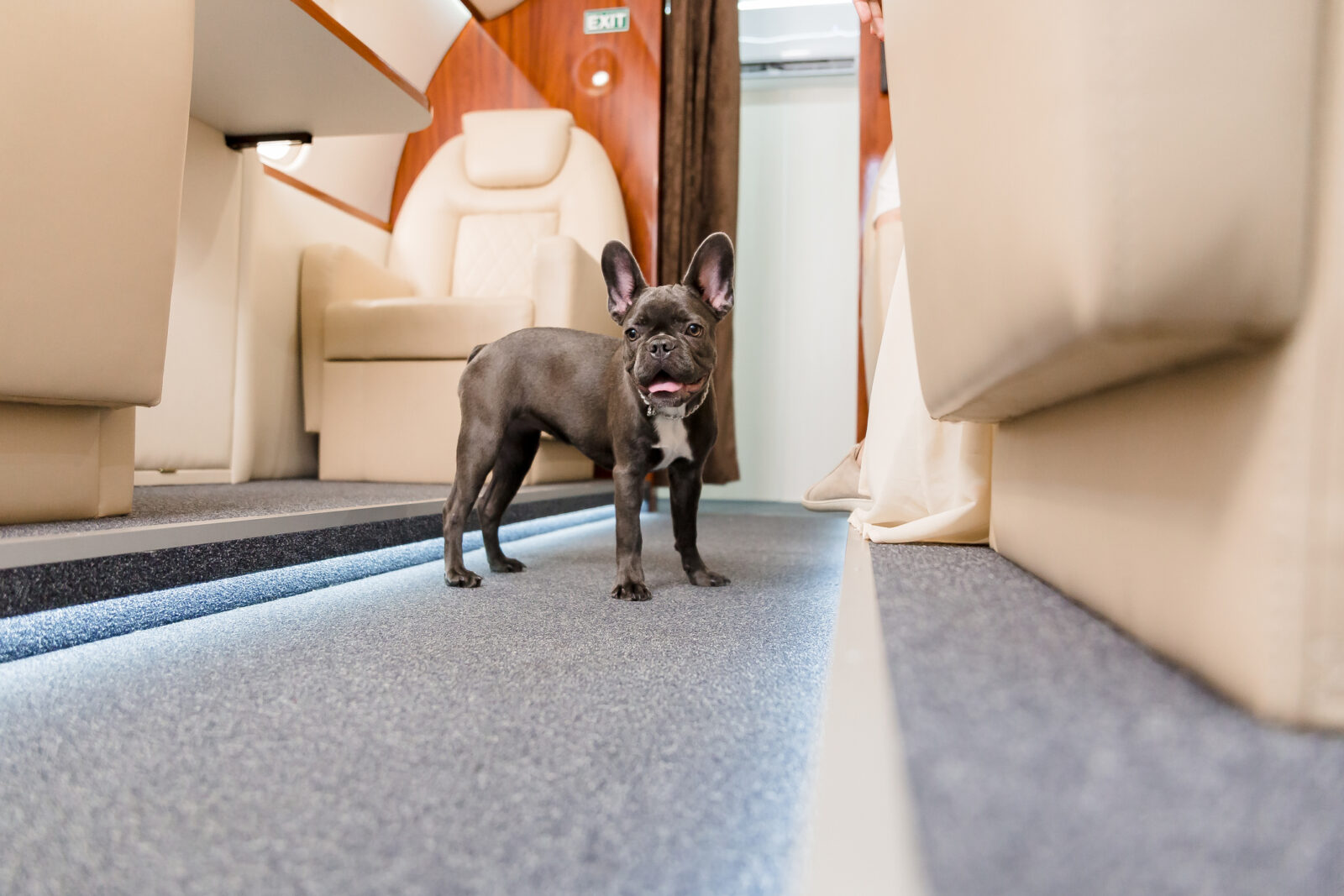
Flying privately with your cat or dog offers you flexibility, access to the cabin, and a much less stressful environment than commercial carriers. However, private aviation does not eliminate the need for preparation. Having a good packing plan will help keep your furry friends comfortable, compliant, and safe throughout your flight.
Whoever has flown their pet on a commercial airline is familiar with the restrictions. In some cases, pets travel in the cargo compartment and are separated from their owners for the duration of travel. Traveling with pets on a private jet begins with a different premise. Rather than asking whether an animal belongs in the system, the system adjusts to meet the needs of people on board, including pets.
Cabin Travel Revolutionizes Everything
The most significant difference between traveling with pets on a commercial and private flight is that dogs or cats travel with their owners from start to finish. Flight safety is an important consideration. Cabin space is air-conditioned and pressurized, with constant observation. This also enables the owner to monitor their pet, make necessary adjustments if there are any signs of stress, and maintain regular functions, such as offering water and food. It eliminates the uncertainties associated with air transport.
Operators who regularly arrange flights with pets consider these animals part of the travel group, expecting the dog or cat to travel with its owner. Use this complete private jet animal travel checklist whether you’re flying within the country or internationally with your dog, cat, or other pet.
Why Packing Matters Even on a Private Jet
When you charter a private flight, your pets can usually fly right in the cabin with you, which is way different from commercial flights. Plus, there are often fewer weight limits and no cargo hold to worry about, depending on where you’re headed. That said, there are a few things to keep in mind:
- Turbulence can still happen.
- Customs might ask for some paperwork.
- How airports handle FBO services can vary quite a bit.
- And let’s not forget that climate change impacts animals in ways that don’t always match what we experience.
Being ready for these things can really help reduce stress for both you and your furry friend, so it’s definitely the best thing you can do while traveling together.
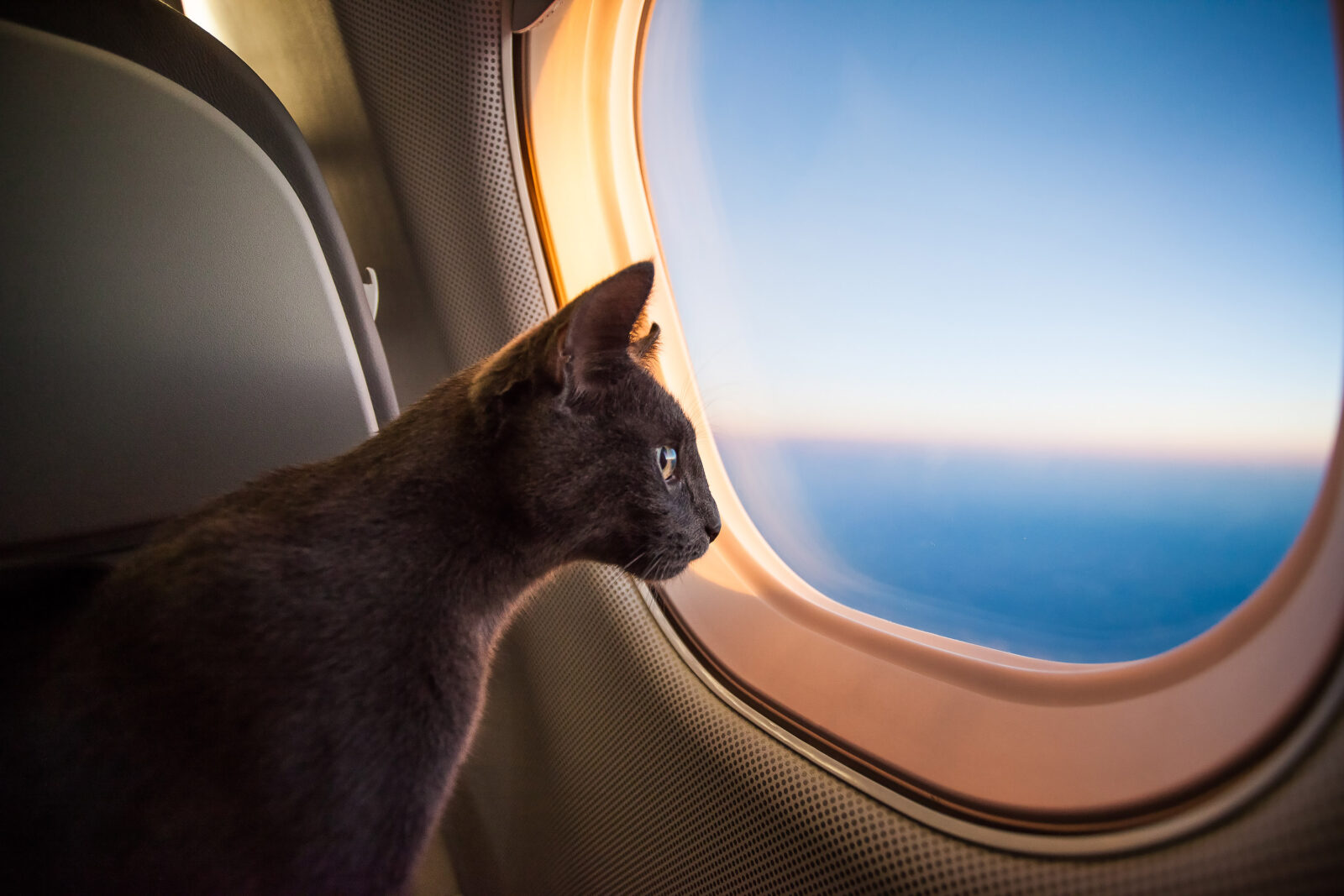
Essential Private Jet Animals Travel Checklist
Below is a categorized, expert-level breakdown.
1. Comfort & Cabin Stability Items
These items help regulate your pet’s anxiety and physical stability.
- Familiar Bedding or Travel Mat: Studies show that familiar-smelling bedding decreases cortisol levels in both dogs and cats. Noise levels on private aircraft are quieter than those of commercial planes, but outside distractions may cause anxiety.
- Secure Harness or In-Cabin Restraint: Always keep your animal secured during taxi, takeoff, and landing, even if you’re in the luxury cabin. Use a crash-tested safety harness or soft-sided carrier that is appropriately sized for the aircraft.
- Favorite Toy or Chew: Keeps your pet entertained and mentally stimulated, especially on flights longer than 2 hours.
- Paw Protection (Climate Dependent): Depending on where you are traveling from, such as warm weather places like Scottsdale or Dubai, or cold weather places like Aspen, you may require paw protection during ramp service.
2. Food & Hydration Supplies
Private aviation enables greater flexibility in feeding, but digestive consistency is crucial.
- Pre-Portioned Meals: Do not make any dietary changes 72 hours before flying. Bring along properly measured portions in sealed containers.
- Collapsible Water Bowls: Compact, lightweight, spill-proof bowls are perfect for your trip.
- Filtered or Bottled Water: Unexpected mineral changes in water at your destination may distress delicate animals.
- High-Value Treats: Helpful during takeoff and landing to reward good behavior.
3. Health & Documentation Essentials
This section supports compliance – without duplicating service content.
- Veterinary Health Certificate: Needed for most out-of-state & nearly all international travel.
- Vaccination Records: Rabies certification is important for international travel.
- Microchip Verification: Make sure your pet’s microchip details are up to date with current information.
- Medications: Take at least 48 hours extra in case your flight schedules change.
- Copy of Entry Requirements: Each country, including the UK, the UAE, or the Caribbean islands, has different import requirements.
If you need assistance finding the correct regulations and liaising with overseas authorities, our dedicated experts specialise in chartering flights with animals on board.
4. Hygiene & Cleanup Supplies
Even when flying privately, maintaining cabin cleanliness is essential for comfort and aircraft care. Waterproof absorbent pads (placed under bedding, inside carriers, etc.) protect leather seats and carpets from spills on long flights. Odor eliminators (travel size) containing enzymes work far better than traditional sprays because they actually neutralize organic odors.
Also, remember to pack some seal-top garbage bags to dispose of wipes/pads as well as paw wipes, a washcloth, and a small brush to help clean up excessive shedding before reaching your destination. You may also want to consider packing hand sanitizer and some disposable gloves to help facilitate a quick and inconspicuous cleanup mid-flight. Planning ahead with toiletries will help you and your pet enjoy your time on board and allow for a quick aircraft turnaround.
5. Ground Transfer & Arrival Kit
Pet transport is common on private jet flights, especially when FBO-to-vehicle transitions are involved. Be sure to keep a secure, non-slip leash and a well-fastened collar before opening the aircraft cabin door. Have printed copies of your paperwork accessible in case you are questioned by customs or agriculture officials upon international arrival. Have the address of your destination and the phone number of a local veterinarian programmed into your cell phone. If ground time will be long, consider transporting your furry friend in a crate or travel carrier for peace of mind until you reach your destination.
Aircraft Choice Matters More Than Many Expect
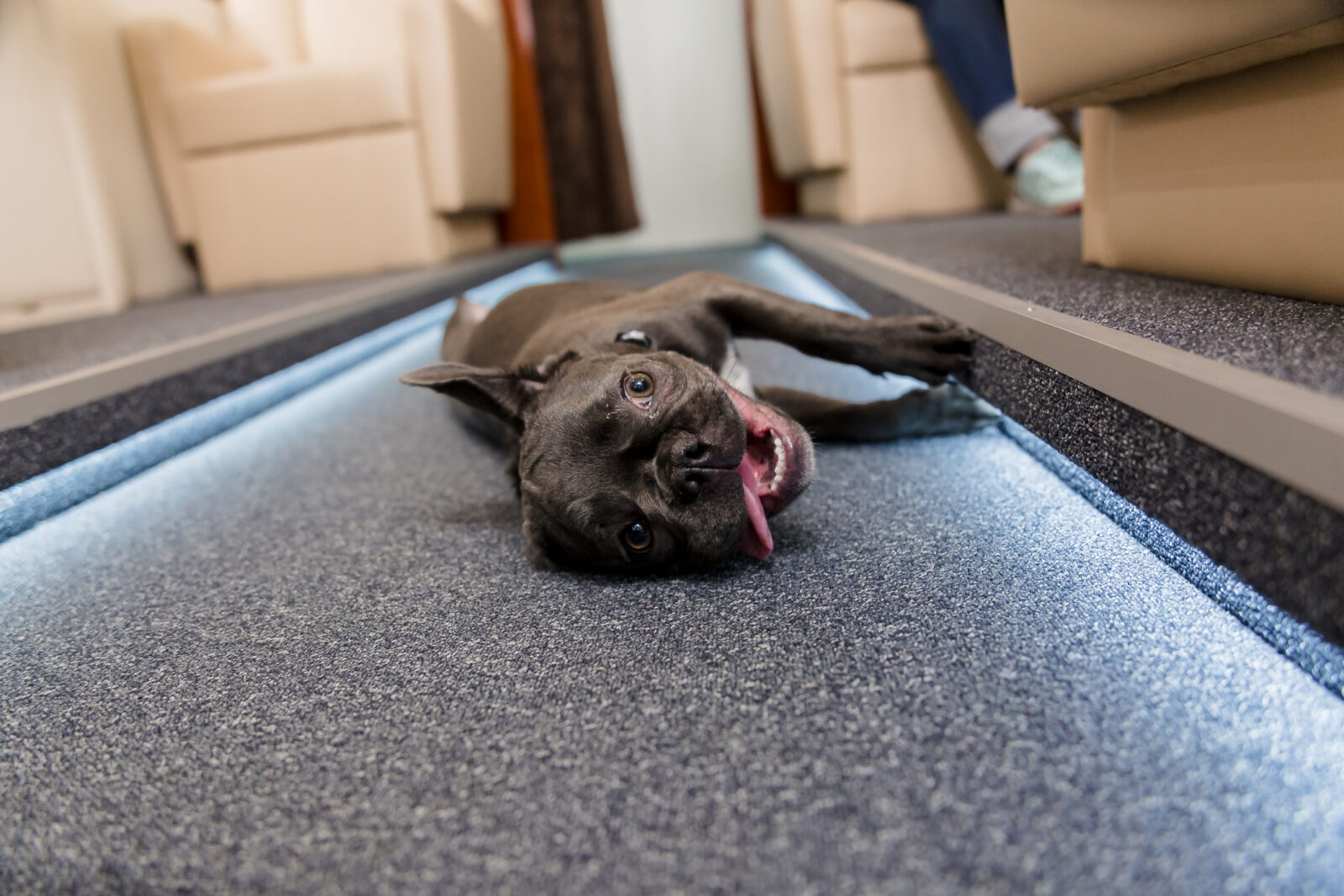
Not all private aircraft are created equal when it comes to traveling with animals. Cabin height, size, and configuration can also affect how well the pet can move about and stretch out. A small light jet may be perfectly acceptable for a short-range mission with one pet, but for a several-flight-hour journey with multiple pets, a midsize or heavy jet is more appropriate.
Selecting the right aircraft is not about luxury. It is about space, noise levels, and endurance. A thoughtful broker will weigh these considerations alongside flyers’ needs to avoid leaving pets feeling constricted and uncomfortable.
A Different Approach to Flying With Animals
Private jet travel does not treat furry friends as exceptions. It considers them passengers with needs that deserve attention. They travel with the owners and are in an ambiance more geared toward serenity and control than volume and efficiency.
Having pets accompany their owners on air travel is no luxury; it is all about safety and dignity. Pets get to travel well-rested and healthy and with people they trust. That difference is why so many owners who once flew privately with their pets choose not to return to commercial options.